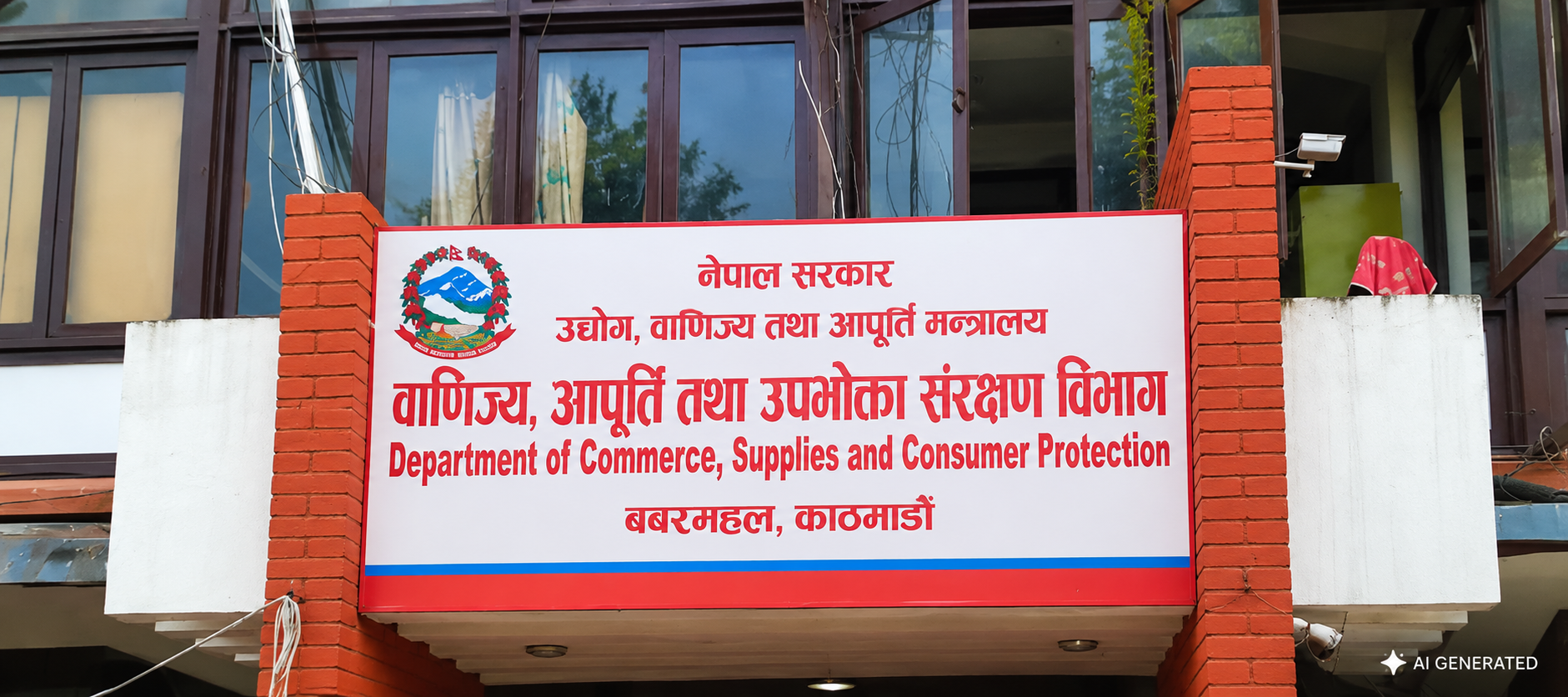
The Ministry of Industry, Commerce and Supplies reported several consumer-focused measures during the July-October quarter, including agreements by the Food Management and Trading Company with 14 local governments for the purchase and sale of indigenous crops. The government also advanced preparations for establishing a Consumer Court, while subsidized-price outlets were operated at 61 locations in 42 districts through the Food Management and Trading Company, alongside nine outlets and three mobile vans run by Salt Trading Corporation.
On trade policy, Nepal completed the first visit of the WTO Trade Policy Review mission from October 1-4, 2024, while detailed consultations were held with stakeholders for Nepal’s third Trade Policy Review scheduled for 2025. The ministry also completed the draft Commerce Policy 2081, advanced the e-commerce bill in Parliament, convened the National Trade Facilitation Committee and distributed resources for activities under the Nepal Trade Integration Strategy (NTIS).
Bilateral and regional trade diplomacy also moved forward. Nepal and the United States held the seventh TIFA Council meeting, discussing investment and trade issues, while Nepal participated in the BIMSTEC Business Summit in New Delhi. The ministry also prepared a new draft agreement as part of efforts to review the existing Nepal-China Trade and Payment Agreement. Coordination meetings involving federal, provincial and local authorities were held to address industrial, commercial and supply-sector problems, while monitoring under the Micro Enterprise Development Programme covered 12 local governments in eight districts.
The report, however, shows weak overall capital-budget absorption. Across the ministry and its agencies, first-quarter recurrent expenditure reached about 23% of the allocated amount, while capital expenditure stood at only around 4%, highlighting a sizable gap between policy activity and infrastructure spending during the opening quarter of the fiscal year.