The Prime Minister and Council of Ministers’ Office (OPMCM) has defined its functions across three broad areas: governance affairs, development management, and law and human rights. The document assigns the office responsibilities ranging from Cabinet affairs, implementation and monitoring of government decisions, supervision of ministries and national policy coordination to governance reform, national security, disaster coordination and implementation of international agreements. The approved structure places four divisions under the governance affairs sector alone, covering Cabinet and constitutional bodies, administration, good governance and national security coordination, and digital governance and information technology.
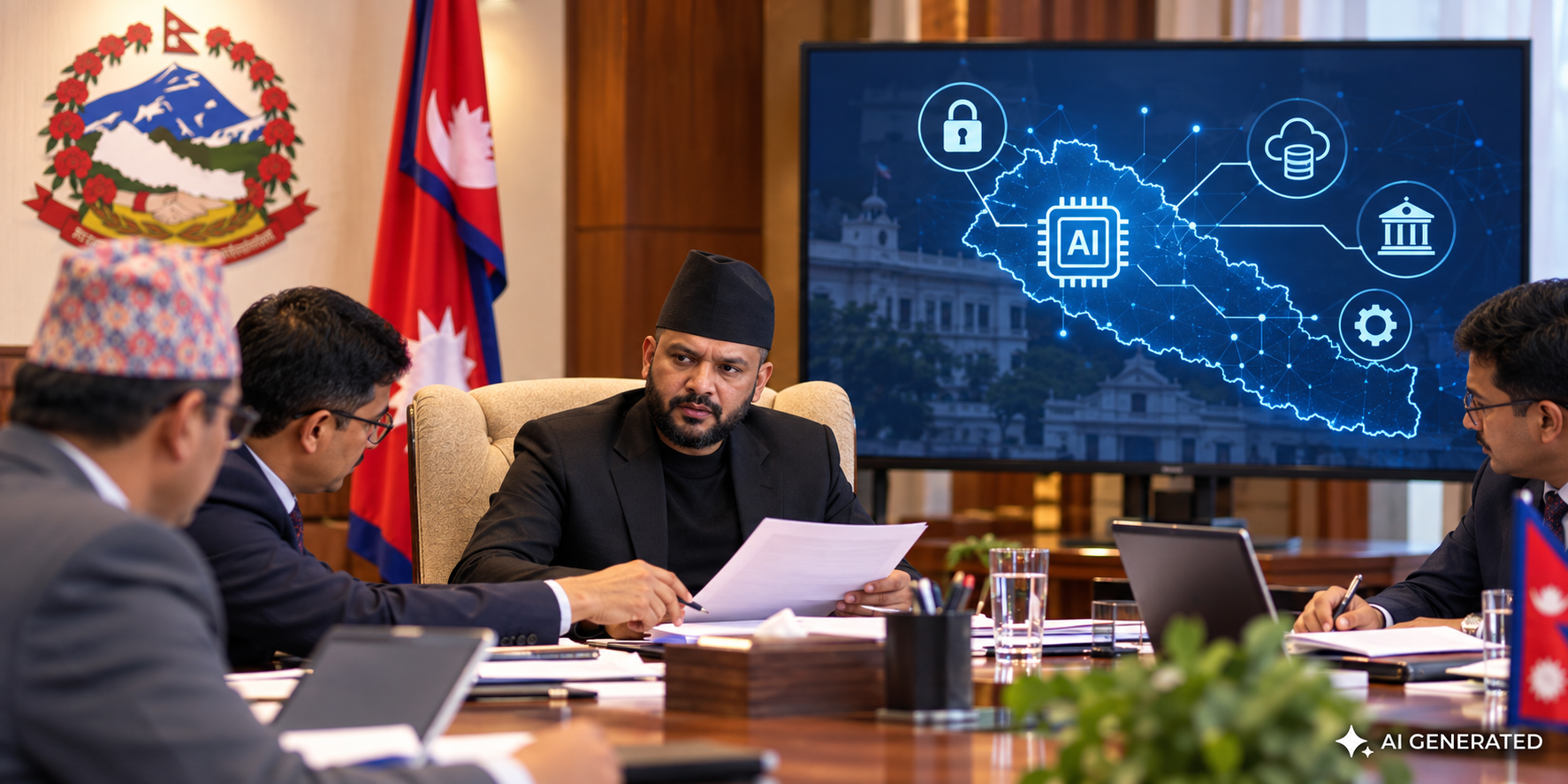
A notable feature of the restructuring is the formal inclusion of emerging technology in the PMO’s responsibilities. The document specifically assigns the office roles related to cybersecurity, data security and data governance, artificial intelligence, information technology promotion and electronic or digital governance.The Cabinet-related structure has also been given explicit responsibility for preparing Cabinet agendas and decisions, maintaining records and monitoring whether Cabinet decisions are actually implemented, apparently acknowledging humanity’s timeless discovery that making a decision and carrying it out are two different government activities.
The framework also strengthens the PMO’s role in public-sector performance and accountability. Its good-governance functions include coordinating and monitoring faster and higher-quality public services, identifying areas for administrative reform, developing integrity and anti-corruption strategies, and coordinating with bodies including the Commission for the Investigation of Abuse of Authority, security agencies and the National Vigilance Centre. The document further assigns the office responsibilities for disaster-management coordination and operation of the Prime Minister’s Central Disaster Assistance Fund, alongside development planning, monitoring and results management.