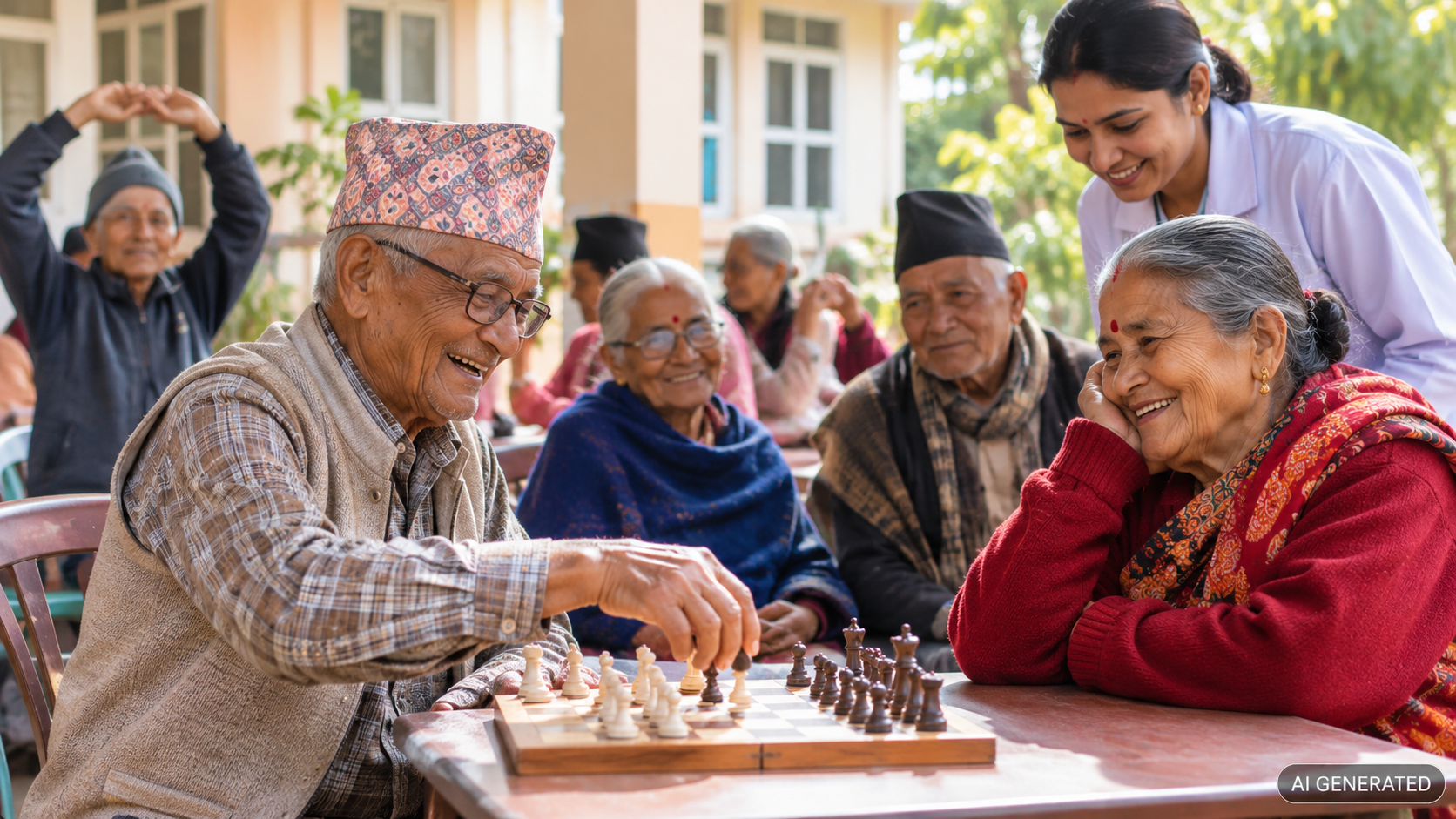
The Ministry of Women, Children, Gender and Sexual Minorities, and Social Security has introduced the Procedures for Establishing and Operating Senior Citizen Daycare Centres at the Local Level, 2083, aimed at strengthening elderly care and social protection across Nepal. Developed under the Senior Citizens Act, 2063, the Senior Citizens Regulations, 2065, and the Financial Procedures and Fiscal Responsibility Act, 2076, the framework provides guidelines for municipalities and rural municipalities to establish and operate daytime service centres for citizens aged 60 years and above. The initiative seeks to promote healthy, secure, dignified, and respectful living conditions for senior citizens while facilitating social interaction, recreation, healthcare access, and the transfer of traditional knowledge and experience to younger generations.
Under the new procedures, local governments must ensure that daycare centres meet minimum infrastructure and accessibility standards, including adequate lighting, ventilation, safe drinking water, accessible toilets, and suitable recreational spaces. The centres must remain open for at least five days per week and provide elderly-friendly environments with essential facilities such as seating, carpets, cushions, blankets, and other necessary materials. Senior citizens attending these centres may receive refreshments, clean drinking water, recreational opportunities, and assistance with routine health examinations. The guidelines also allow coordination with government, private, and community hospitals to facilitate medical screenings, essential medicines, healthcare counselling, and other support services according to individual needs.
The framework places particular emphasis on social participation, psychological well-being, and intergenerational learning. Local governments may organize religious, cultural, and recreational activities, including educational visits to parks, forests, museums, and historical locations at least once every three months, depending on the interests of participating senior citizens. The procedures also encourage psychological counselling, family awareness activities, and initiatives to reduce loneliness and isolation among older adults. Furthermore, the centres may support elderly citizens interested in producing goods, publishing books, or selling products developed through their knowledge and skills. Special programs will focus on preserving traditional expertise, promoting interaction between younger and older generations, and narrowing the generation gap.
To ensure effective implementation, the ministry has instructed local governments to maintain financial transparency, conduct regular monitoring, and coordinate with relevant institutions and community organizations. Public funds must be managed in accordance with existing financial regulations, while any unused conditional grant amounts must be returned to the federal consolidated fund at the end of the fiscal year. Local governments are also required to submit an annual progress report within 15 days after the fiscal year ends to seniorcitizen.mowcgss@gmail.com, detailing budget utilization, activities undertaken, beneficiaries, achievements, implementation challenges, and recommendations. The reporting format also requires disaggregated information on male and female beneficiaries, helping authorities assess program effectiveness and improve elderly care services nationwide.