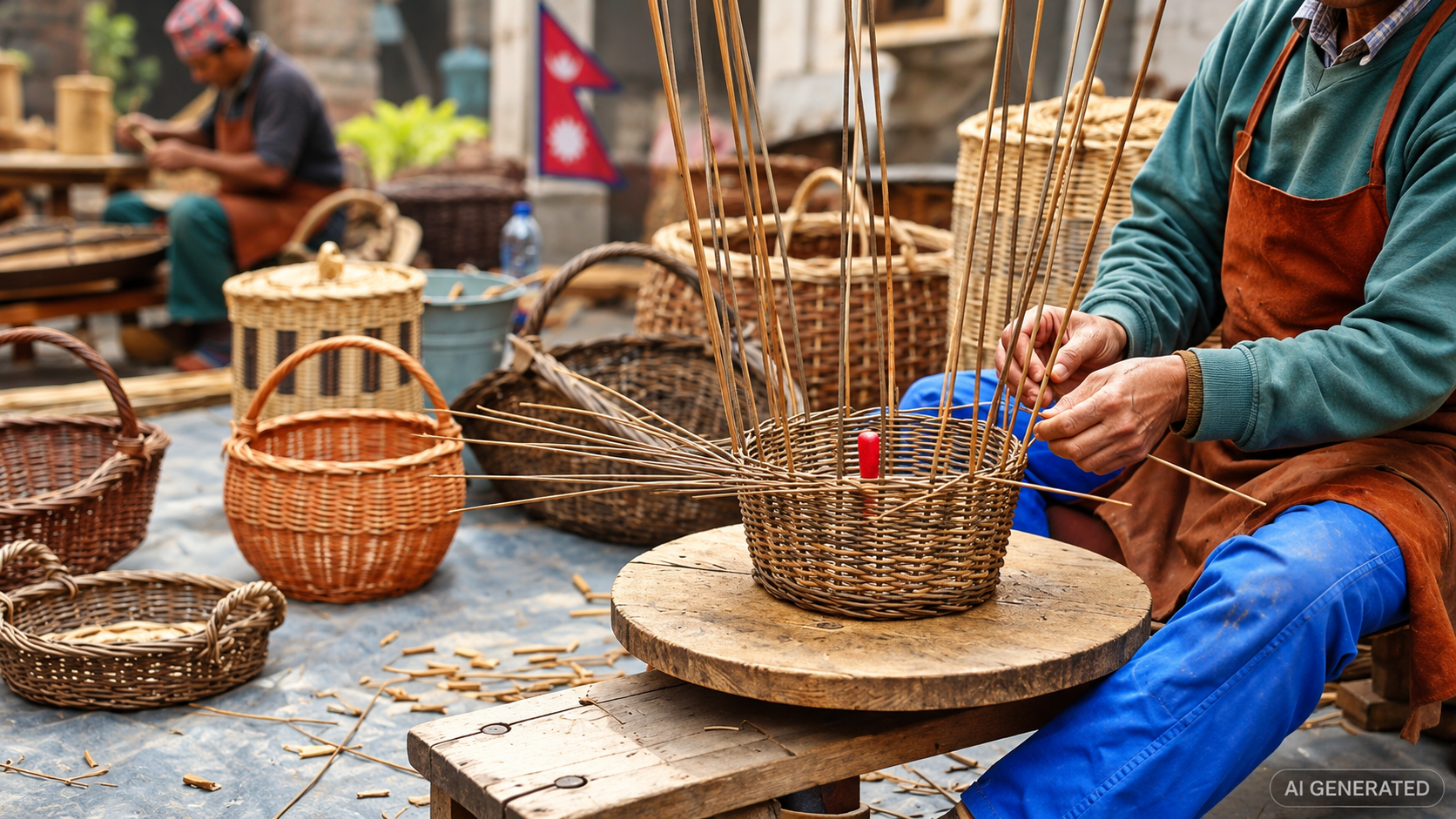
The Government of Nepal has introduced the Guidelines on the Use and Promotion of Domestic Products in Public Procurement, 2083, aiming to increase the consumption of locally manufactured goods, strengthen domestic industries and reduce dependence on imported materials in government-funded projects. Prepared by the Public Procurement Monitoring Office under the authority granted by Section 74(1) of the Public Procurement Act, 2063, the guidelines apply to public entities procuring goods, undertaking construction projects and acquiring consultancy or other services. The provisions require government agencies to prioritize domestic products, locally available construction materials and technologies developed in Nepal, provided they meet prescribed quality standards and technical requirements.
Under the new framework, public entities must incorporate domestic products and locally available materials into project planning, feasibility studies, designs, cost estimates and detailed project reports. For infrastructure projects involving roads, bridges, buildings and other public structures, government agencies are instructed to favor locally available construction materials and suitable domestic alternatives wherever technically feasible. The guidelines specifically encourage the use of Nepali cement, locally available aggregates, stone, slate and other construction materials in appropriate projects. Imported construction materials should not be made mandatory in project designs when suitable domestic alternatives are available, unless technical justification is provided in the relevant study or design report.
The guidelines also require public agencies to prepare technical specifications in ways that do not unnecessarily exclude domestically manufactured products. Specifications must be based on functional requirements, performance, durability, safety, sustainability and applicable technical standards rather than relying exclusively on foreign manufacturers, brands or production standards. Public entities must verify the availability of suitable domestic alternatives by examining production capacity, market availability, technical standards, quality certification and supply timelines. Where domestic alternatives are unavailable or cannot meet essential technical requirements, foreign materials may be procured with documented justification. Procurement notices, bidding documents, contracts and technical specifications must clearly reflect applicable requirements for using domestic materials and technologies.
To ensure compliance, public agencies must monitor the use of domestic products through inspections, quality testing, material verification and procurement audits. Construction contractors, suppliers and service providers are required to comply with contractual provisions concerning domestic materials and cannot substitute foreign products without the necessary authorization. The guidelines also provide for corrective measures, including rejection of noncompliant materials, replacement requirements and legal action where applicable. Public entities must maintain records of domestic product procurement and implementation, while the Public Procurement Monitoring Office may monitor compliance within its legal authority. The policy seeks to expand market opportunities for Nepali manufacturers, promote local employment and support sustainable infrastructure development through greater use of domestic resources.