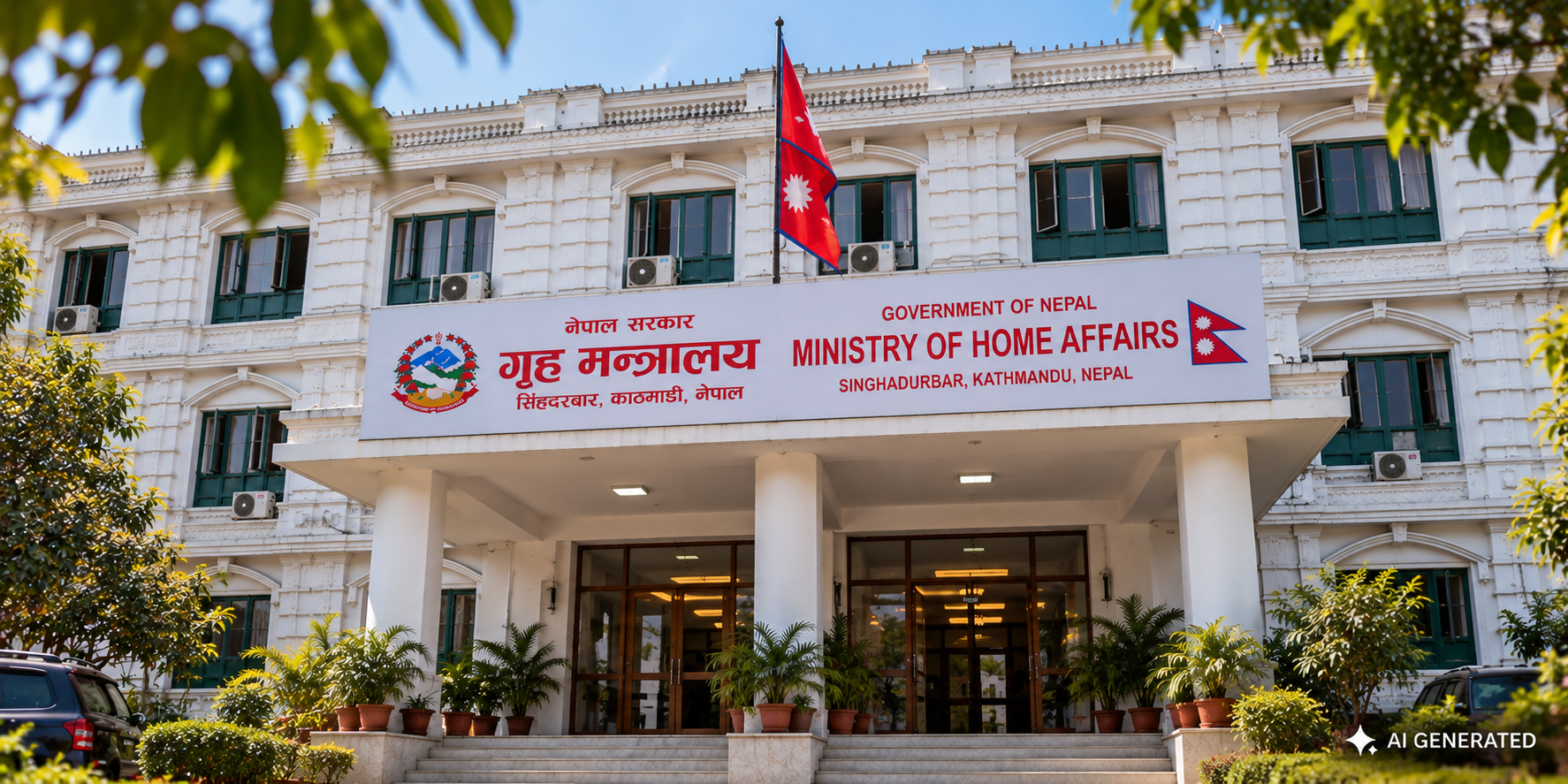
The Ministry of Home Affairs has prepared a draft bill titled the “Bill to Amend Some Nepal Acts Relating to the Freezing, Control and Confiscation of Criminal Assets and Instruments.” The proposal seeks to harmonize provisions scattered across numerous laws so that assets and instruments seized or confiscated in connection with offences are managed under the prevailing law governing criminal assets. The proposed changes cover areas ranging from arms, foreign exchange, narcotics and corruption to revenue leakage, electronic transactions, human trafficking, money laundering and organized crime.
Among the most significant changes are amendments to the Criminal Assets and Instruments (Freezing, Control and Confiscation) Act, 2070 itself. The draft provides procedures for transferring evidentiary assets to the relevant department or District Administration Office, makes provisions for the handling of weapons, explosives, archaeological objects, livestock and wildlife-related items, and expressly allows confiscated foreign currency, securities, shares, bonds and cryptocurrency to be deposited into the fund prescribed by the Act. It also proposes district-level valuation committees for assets being auctioned.
The bill further proposes a specific formula for valuing confiscated houses and land, drawing on local government and land-revenue rates as well as valuations used by government banks. Where auction attempts fail, assets could be revalued with a 25 percent depreciation at successive stages before being offered again. Courts would also be able, in specified circumstances, to order the auction, transfer or government use of assets that could deteriorate or lose value while being held as evidence. The proposed framework extends across additional laws covering endangered wildlife trade, criminal procedure, pesticides, radioactive materials, hazardous chemicals, insurance and customs.