The Government of Nepal’s Ministry of Energy, Water Resources and Irrigation has reported further progress in rescue, relief and electricity restoration operations following the devastating Bhotekoshi River flood on Bhadra 10, 2083 BS, which severely damaged electricity infrastructure in Rasuwa and surrounding districts. According to a press release issued on Bhadra 15, 2083 BS, Energy Minister Biraj Bhakta Shrestha participated in a joint meeting in Nuwakot’s Trishuli area with Home Minister Sudan Gurung, Principal Political Adviser Asim Shah, senior Nepal Army officials, ministry representatives and Nepal Electricity Authority (NEA) officials. The meeting reviewed rescue progress, the condition of affected hydropower projects and strategies for restoring electricity. Nepal Army teams continued rescue operations for individuals trapped inside the Trishuli-3A hydropower tunnel, with senior officials assessing rescue progress and directing agencies to complete operations safely and efficiently.
Regarding electricity restoration, the ministry announced that technical coordination was underway to restore the 78 MW Sanjen Hydropower Project to operation within three days, following disruptions in electricity supply. Where immediate reconnection to the national grid was not possible, authorities prepared to operate alternative energy systems through the Alternative Energy Promotion Centre (AEPC). The ministry also reported that electricity services had been restored in most areas of Rasuwa’s Kalika and Naukunda rural municipalities, as well as parts of Gosaikunda Rural Municipality, including Lyang, Bhargu and Gosainkunda. Technical teams continued deploying additional personnel, equipment and solar-based alternatives to restore regular electricity services in remaining flood-affected settlements.
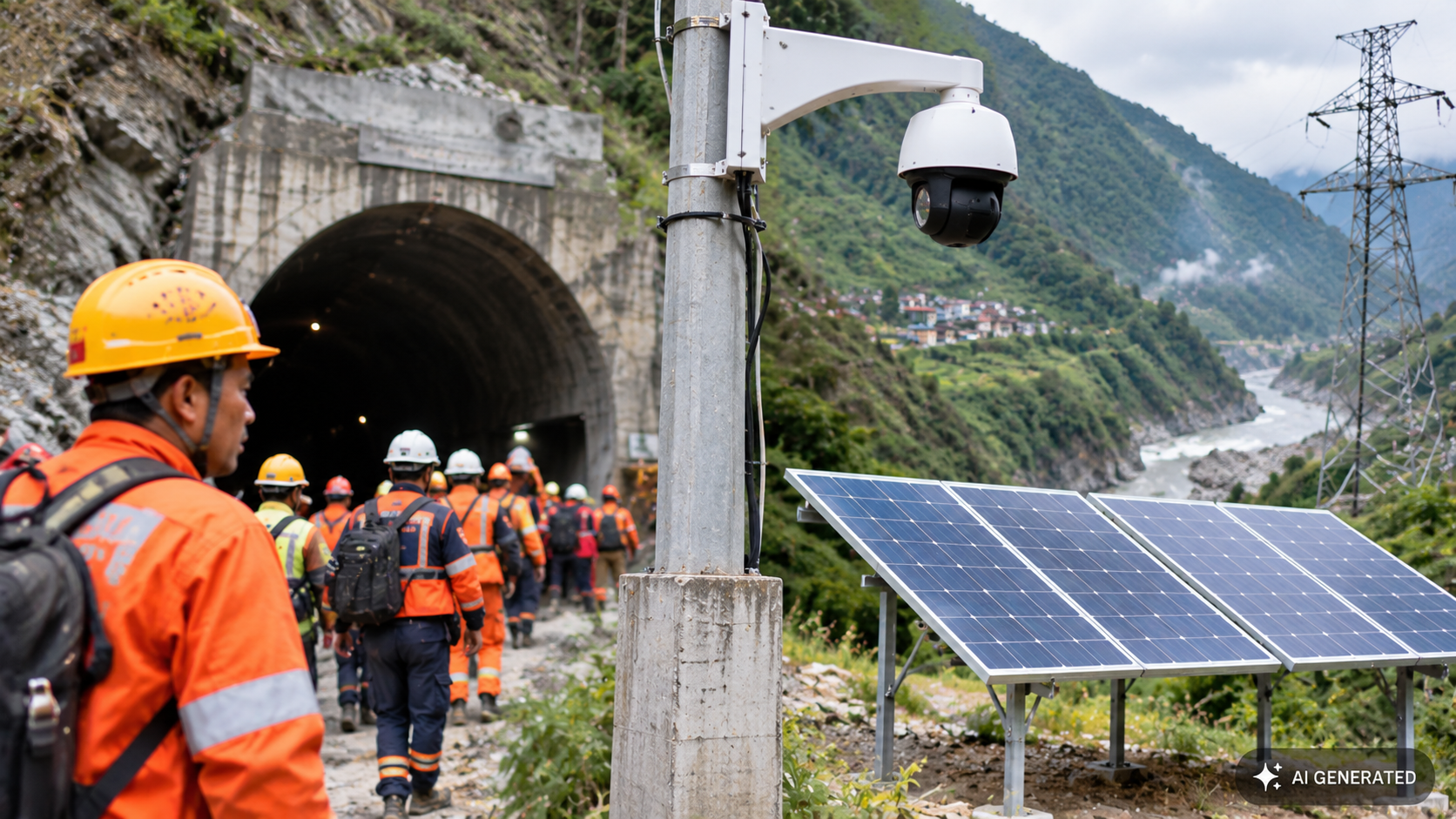
The ministry further emphasized long-term damage assessment, infrastructure rehabilitation and digital disaster management. Energy Minister Shrestha received updates from concerned agencies regarding flood-related infrastructure damage and instructed them to prioritize electricity restoration, rescue coordination and the preparation of long-term reconstruction plans. A major technical development highlighted in the statement was the installation of a real-time flood monitoring CCTV camera at Timure in Rasuwa, under the Water and Energy Research Centre. The system was designed for integration with VSAT satellite communication and flood monitoring infrastructure, allowing monitoring even in areas with limited conventional communication networks. The ministry stated that the camera installation had been completed and preparations were underway to begin operation.
Additionally, the ministry announced the preparation of a Detailed Damage Assessment framework and an online coordination and monitoring system to improve information sharing among responsible agencies and support reconstruction planning. These initiatives aim to strengthen disaster response, accelerate technical evaluations and improve coordination across Nepal’s electricity infrastructure network. The press release, signed by Joint Secretary and Spokesperson Mohan Kumar Shakya, outlines progress achieved by Bhadra 15 but does not confirm the completion of all tunnel rescue operations or the restoration of electricity across every affected area.