Nepal’s economy showed mixed but largely positive signals during the first month of fiscal year 2026/27 (2083/84 BS), according to the Economic Review Bulletin for Shrawan 2083, published by the Ministry of Finance’s Economic Policy Analysis and Research Division. Government revenue increased by 8.8 percent to Rs 92.22 billion, supported by a 5.2 percent rise in tax revenue and an 85 percent increase in non-tax revenue. However, revenue collection reached only 78.2 percent of the monthly target. Federal government expenditure declined by 9.5 percent to Rs 41.89 billion, primarily because of lower domestic debt principal repayments, while capital expenditure increased by 82.9 percent compared to the corresponding period last year. Nepal’s outstanding public debt reached approximately Rs 2.98 trillion, equivalent to 45.1 percent of gross domestic product, underscoring the importance of prudent fiscal management.
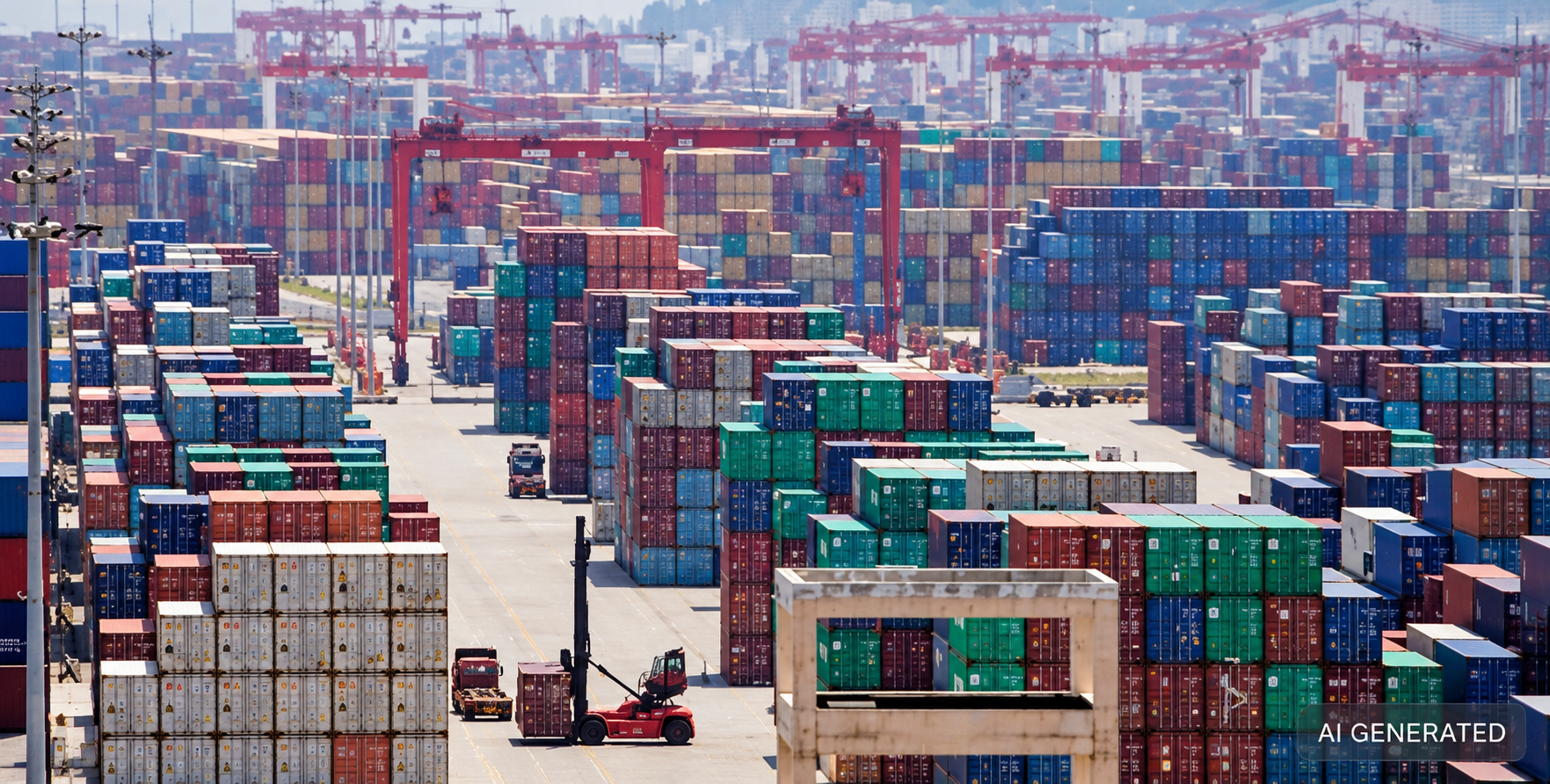
The country’s external trade recorded substantial growth, with merchandise exports surging 61.7 percent to Rs 38.70 billion, driven largely by increased shipments of processed soybean oil, palm oil, polyester yarn, jute products and cardamom. Imports also increased sharply by 31 percent to Rs 187.44 billion, resulting in a 24.9 percent expansion of the merchandise trade deficit to Rs 148.74 billion. Despite the widening deficit, the export-to-import ratio improved to 20.6 percent, its highest level in five years. Meanwhile, remittance inflows rose by 21.2 percent to Rs 215.05 billion, helping strengthen Nepal’s external financial position. Foreign exchange reserves reached approximately Rs 3.95 trillion, sufficient to cover 21.8 months of merchandise imports, while the current account and overall balance of payments remained in surplus.
Inflation and banking-sector vulnerabilities emerged as significant concerns. Annual consumer price inflation increased to 5.96 percent, compared with 1.68 percent during the corresponding month of the previous fiscal year. Food and beverage inflation reached 6.77 percent, reflecting higher prices of edible oils, fruits, vegetables, fish and meat, while non-food and services inflation stood at 5.52 percent. Although commercial banks’ weighted average lending interest rate declined from 7.76 percent to 6.48 percent, the banking sector’s non-performing loan ratio increased from 4.62 percent to 5.66 percent, indicating growing asset-quality risks. Deposits and private-sector credit expanded by 14.5 percent and 7 percent respectively on a year-on-year basis, suggesting continued financial-sector activity despite concerns over loan recovery and credit quality.
Other sectors also demonstrated contrasting trends. Insurance premium collections increased by 31.2 percent to Rs 32.02 billion, while insurance coverage expanded to 52.35 percent of the population. International tourist arrivals reached 777,672 during the first eight months of 2026, representing a 5.6 percent increase compared with the corresponding period of 2025. However, the Nepal Stock Exchange (NEPSE) index declined to 2,643.84 points at the end of Shrawan, compared with 2,788.37 points a year earlier. Foreign aid commitments stood at Rs 2.20 billion, down from Rs 8.06 billion in the corresponding month last year. The Ministry of Finance concluded that stronger revenue mobilization, export growth, remittances and external reserves have supported economic stability, but warned that expanding trade deficits, inflationary pressures, weak capital market performance and rising non-performing loans require sustained policy attention.