The Ministry of Foreign Affairs has clarified questions raised by the media regarding the Prime Minister’s statement in Parliament on the Nepal-India border. The ministry said Nepal’s official position on India operating the Mansarovar pilgrimage route through the Lipulekh area was already made clear on 2083 Baisakh 20, and Nepal has also received India’s response through a diplomatic note.
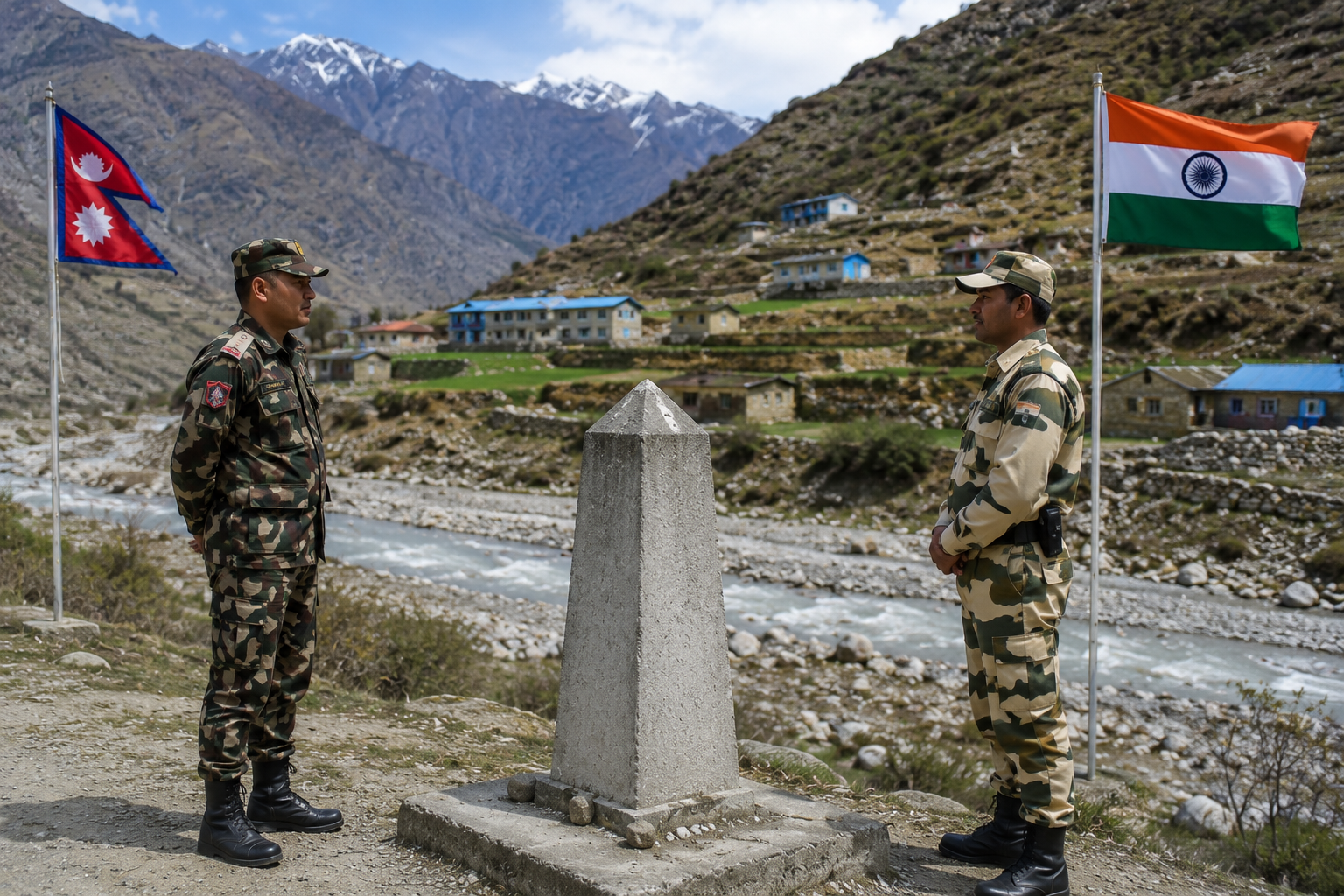
According to the ministry, both Nepal and India have expressed commitment to resolving border-related disputes through diplomatic channels and mutual discussions. Nepal’s current international boundary is guided by the Sugauli Treaty of 1816, while mapping work remains pending in areas including Susta, Limpiyadhura, Lipulekh and Kalapani.
The ministry explained that the Prime Minister’s statement mainly referred to Dasgaja encroachment and cross-border occupation, where citizens of one country may be farming or living on land that technically falls within the territory of the other country. This situation has occurred in some river-border areas because the boundary was determined using the fixed boundary principle.
The ministry said joint border mechanisms and technical teams of both countries are currently active in collecting records of border pillars, Dasgaja encroachment and cross-border occupation. It added that technical studies have shown that in some places land currently used by Nepal may fall toward India, while land currently used by India may fall toward Nepal. Nepal remains committed to resolving all boundary issues through diplomatic dialogue based on historical treaties, agreements and maps.